


Dry Pouch Cells and Prismatic Cases for Battery Research
Dry pouch cells and prismatic cases for battery research
Battery research doesn’t stand still. As cell formats evolve and chemistries become more complex, R&D teams need hardware and consumables that keep pace – from first concepts through to early prototype builds.
To support that, PI-KEM has expanded its battery portfolio with a set of tools designed to give researchers more control and insight across the UK and Europe:
- Dry pouch cells (no electrolyte).
- Prismatic cell cases for research and prototyping.
- Complementary diagnostic and processing equipment, including ultrasonic scanning systems and precision laser welders.
Together, these additions help you prototype faster, study cell behaviour in more detail, and bridge the gap between lab and pilot-scale validation.
Battery Research Equipment & Consumables | PI-KEM
Dry pouch cells: a controlled platform for electrolyte and interface studies
As the UK and European distributor for MTI Corporation, PI-KEM supplies dry-format pouch cells – pre-assembled electrode stacks supplied without electrolyte, in a range of chemistries and formats:
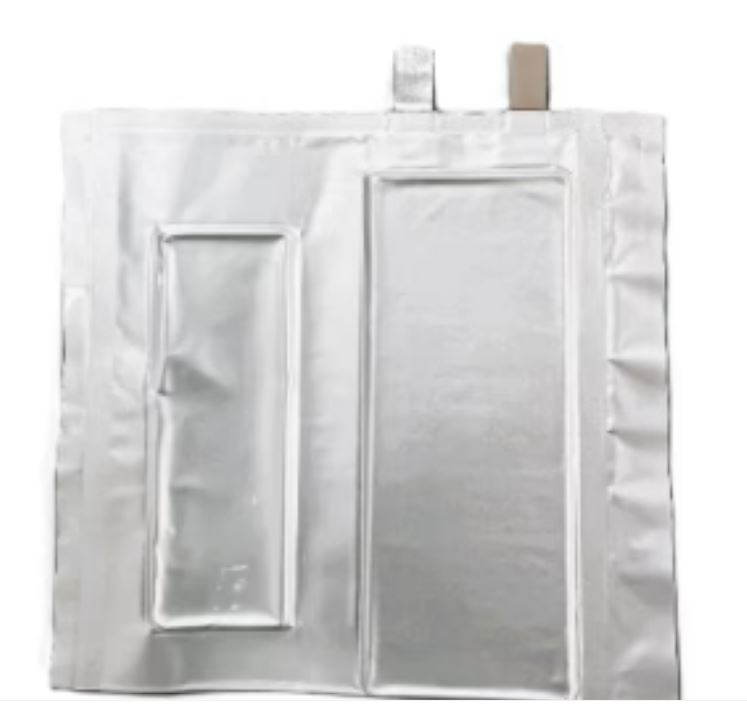
- Chemistries: LFP (LiFePO₄), NCM (LiNiCoMnO₂), LCO (LiCoO₂) and LMO (LiMn₂O₄).
- Standard sizes: including 4662, 85120 and 50110.
These dry pouch cells give you:
- A consistent, repeatable electrode stack.
- The freedom to choose and control your own electrolyte.
- A practical route to separate electrolyte variables from electrode variables.
This makes them particularly valuable for:
- Refining manufacturing processes – especially electrolyte filling, distribution and wetting.
- Electrolyte formulation research, where you want your electrode chemistry to remain constant.
- Comparative testing across different electrolyte systems or additives.
Rather than building cells from scratch every time, dry pouch cells give your team a standardised starting point, helping to reduce variability and free up time for the work that matters: analysing results and improving designs.
See inside without disassembly: ultrasonic scanning for pouch cells
When you combine dry pouch cells with a non-destructive ultrasonic scanning system, you open a clearer window into what’s happening inside the cell during formation and cycling.
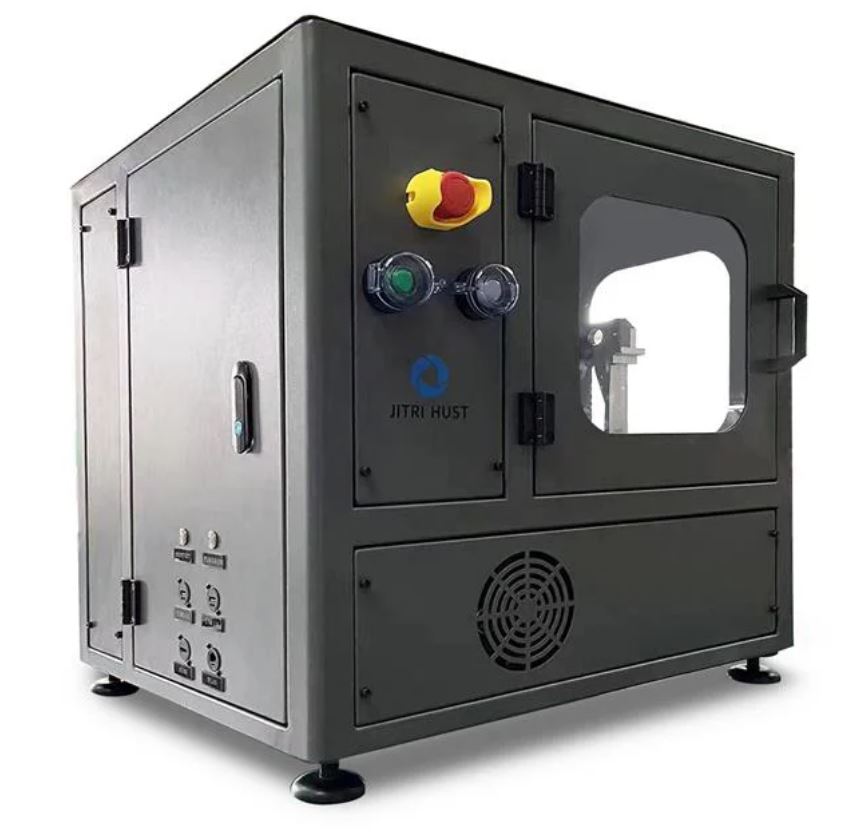
Ultrasonic techniques enable you to investigate:
- Electrolyte diffusion and wetting dynamics.
- Initial gassing behaviour during early formation.
- Seal quality and mechanical integrity of the pouch.
- Lithium plating onset and uniformity.
- State-of-charge (SOC) distribution over time.
- Electrolyte stability and degradation mechanisms.
Crucially, you can do all this without cutting cells open, preserving them for extended testing and allowing for time-series studies that track how behaviour evolves.
For researchers working on:
- New electrolyte systems.
- Formation protocols and conditioning.
- Interface engineering and SEI control.
…this combination of controlled dry pouch cells and non-destructive diagnostics provides a focused, insight-rich toolkit.
Building realistic prototypes: prismatic cases for research and display
Alongside pouch formats, many teams are now exploring prismatic cell architectures – either as a target commercial format or as part of format-comparison studies.
PI-KEM can supply MTI’s research-grade prismatic cases, including:
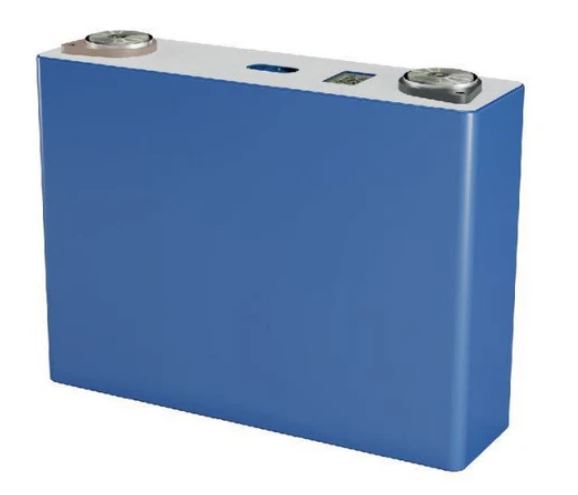
Display-style sealed prismatic shells
Four types of pre-sealed aluminium prismatic cases that replicate real EV battery geometries. These are not designed to contain electrolyte or active materials; instead, they provide accurate “dummy” cells for:
- Assembly sequence trials in a controlled environment.
- Mechanical fit and tolerance studies.
- Module layout and stacking experiments.
- Demonstration units and training setups.
These display shells let engineering and production teams practise and refine processes before active materials are introduced, reducing risk and improving process understanding.
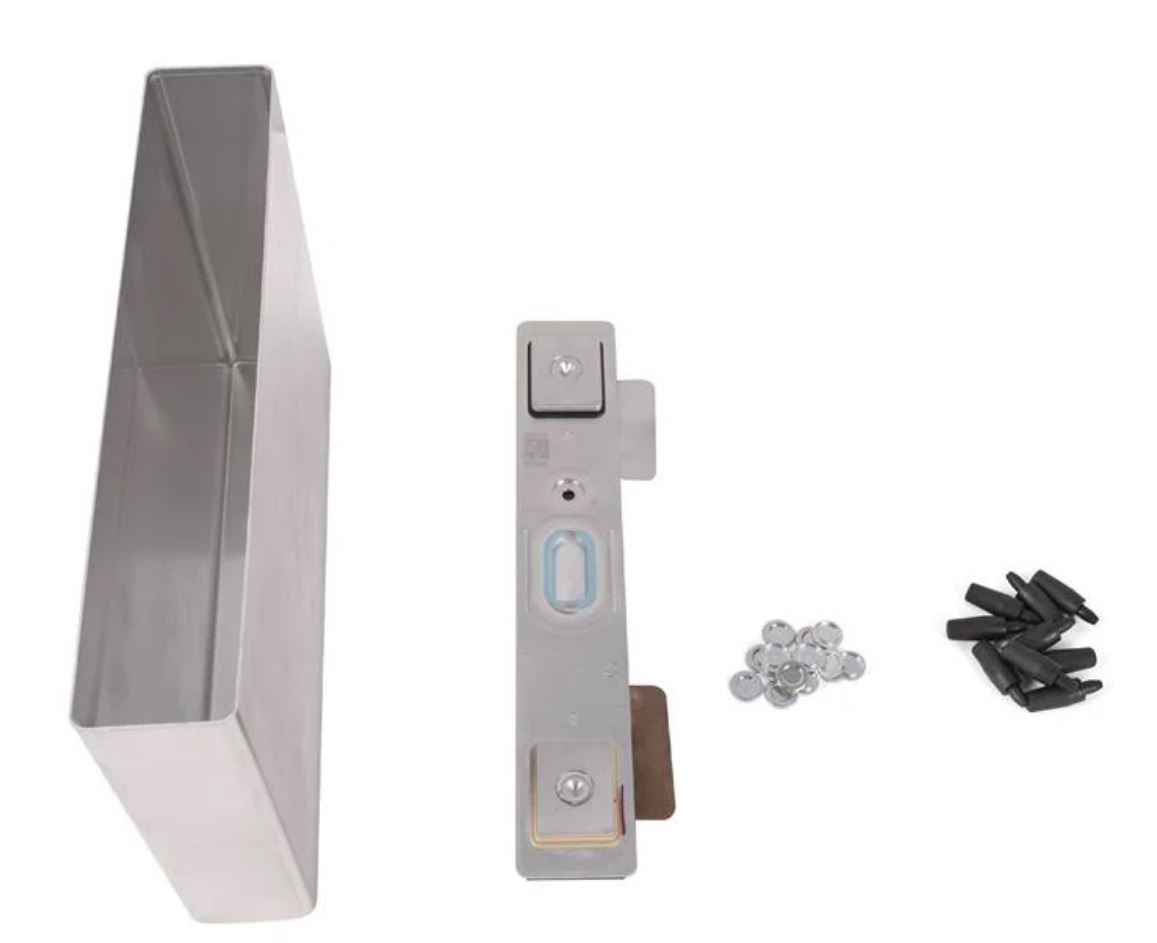
Unsealed prismatic cases for experimental cells
For active research, we can also supply two unsealed prismatic case options, designed for use with 12123 and 26148 EV battery formats.
These are intended for:
- Electrode stack and jelly-roll development.
- Solid-state, semi-solid or gel electrolyte trials.
- Format transition studies (for example, moving from pouch concepts into prismatic shells).
- Mechanical integrity and sealing investigations.
- Early performance validation before committing to full tooling.
In short, they give you a controlled, realistic platform to explore new chemistries and structures without jumping straight to full-scale production hardware.
Precision laser welders: sealing and tab welding with confidence
Building reliable prismatic prototypes requires more than just the right case – it also demands consistent, repeatable sealing and current collector welding.
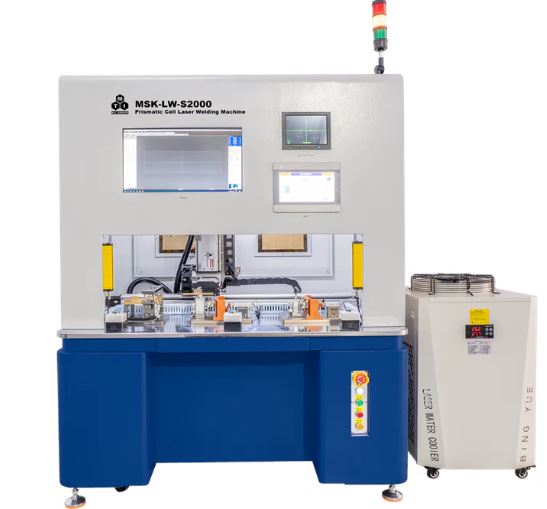
To support this, PI-KEM’s range includes high-precision laser welders tailored for prismatic formats. These systems offer:
- Accurate, repeatable weld seams for lids and tabs.
- Minimal heat distortion thanks to integrated water cooling.
- Compatibility with high-reflectivity materials such as aluminium and copper.
- Operation within gloveboxes for air- and moisture-sensitive chemistries.
For R&D and pilot environments, this means you can:
- Build cells that behave more like commercial units.
- Maintain internal pressure and moisture control.
- Achieve durable welds that support realistic electrochemical testing.
When combined with research-grade cases and dry cells, laser welding systems help you simulate real-world manufacturing conditions while still retaining the flexibility you need in early-stage experimentation.
From concept to functional prototype: why this toolkit matters
Taken together, these additions are designed to help you:
- Standardise and speed up lab work with ready-to-use dry pouch cells.
- Gain deeper insight into what’s happening inside your cells via ultrasonic scanning.
- Prototype more realistic formats using prismatic cases and precision welders.
- Smooth the transition from lab-scale experiments to pilot-scale validation.
For teams working across:
- University research and collaborative projects.
- Industrial R&D programmes.
- Pilot lines and early scale-up initiatives.
…this toolkit can reduce friction, improve data quality and shorten the path from idea to validated cell design.
Talk to us about your battery research setup
If you’re planning to expand or upgrade your battery R&D capability, we’d be happy to discuss how these products can fit into your workflow – whether you’re focused on:
- Electrolyte and interface studies.
- New chemistries and architectures.
- Lab-to-pilot transitions and early prototyping.
Get in touch with the PI-KEM team:
Email: sales@pi-kem.co.uk
Phone: +44 (0) 1827 259250
Web: Visit our Battery Research Equipment and Consumables section to explore the full range.
We can help you put together a coherent toolkit – from cells and cases through to diagnostics and welding – so your team can focus on what they do best: enabling the next generation of battery innovation.
